

Anthropology
Modelling The Efficiency Of Family And Hired Labour Illustrations From Nepalese Agriculture
Sign in to rate this book.
About this book
The principal economic units in most developing countries are family based farm households. Empirical models that recognize the dual role of the farm household as producer and consumer in a theoretically consistent manner are essential tools for policy analyses. This book provides an extension of the conventional farm household model by developing an analytical framework that allows for efficiency differences between family and hired labour as inputs in farm production. The model is estimated with survey data from the southern lowland region of Nepal. The estimation strategy is a two-step process. The first step estimates a farm-level production function in which is embedded a test for heterogeneity between family and hired labour. The labour heterogeneity detected in the production function estimation is incorporated, at the second step, in the labour supply estimation in a theoretically consistent manner. The methodological novelty is to relate the shadow wage rate for family labour to the observed market wage rate for hired labour, adjusted for the differential productivity of family and hired labour detected in the production function estimation.
You may also like
More in Anthropology →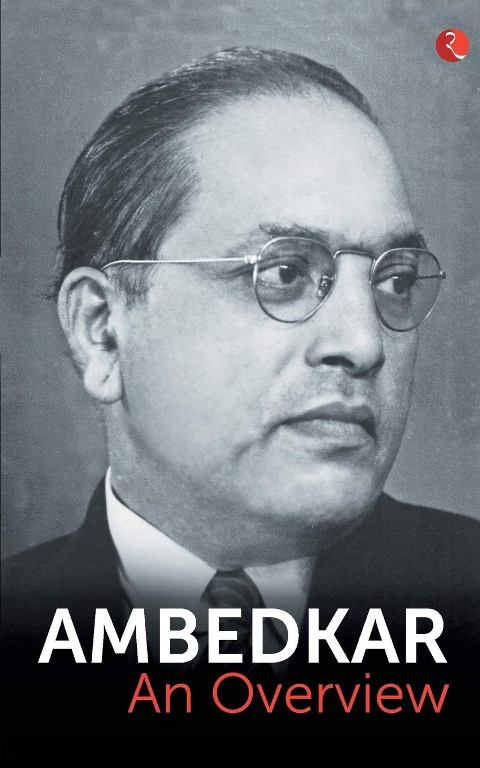
Ambedkar An Overview
B.R. Ambedkar
Rs. 632
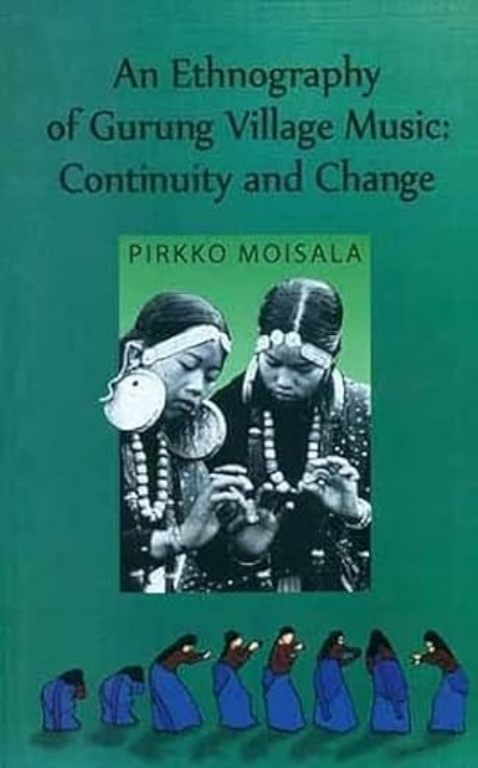
An Ethnography Of Gurung Village Music Continuity And Change
Pirkko Moisala
Rs. 1,295

Annihilation Of Caste
B.R. Ambedkar
Rs. 238
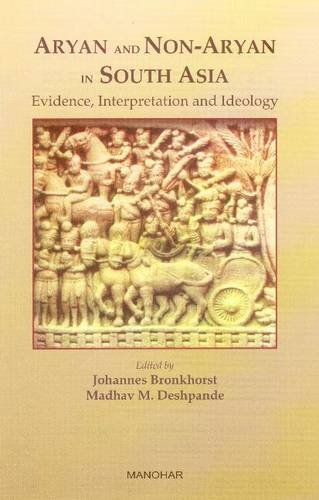
Aryan And Non Aryan In South Asia Evidence Interpretation And Ideology
Madhav M. Deshpande,Johannes Bronkhorst
Rs. 3,032

Asylum Speakers
Dk/Penguin Random House
Rs. 2,238

At The Confluence Of History And Development The Quest For Magar Identity
Kamal Raj Adhikary
Rs. 850
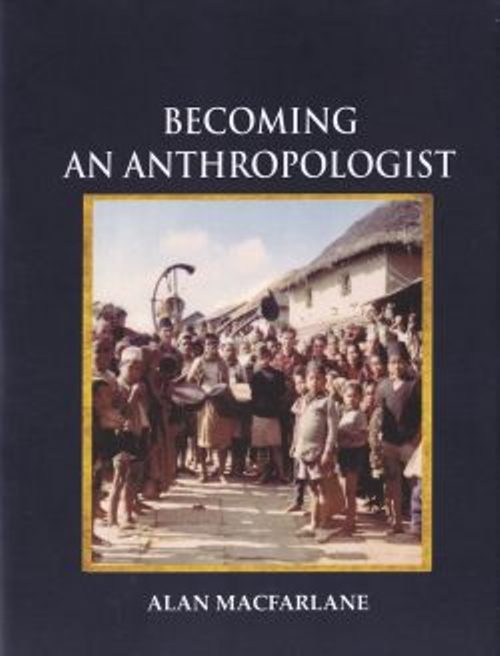
Becoming An Anthropologist
Alan Macfarlane
Rs. 2,960

Black Boy Joy 17 Stories Celebrating Black Boyhood
Kwame Mbalia
Rs. 958